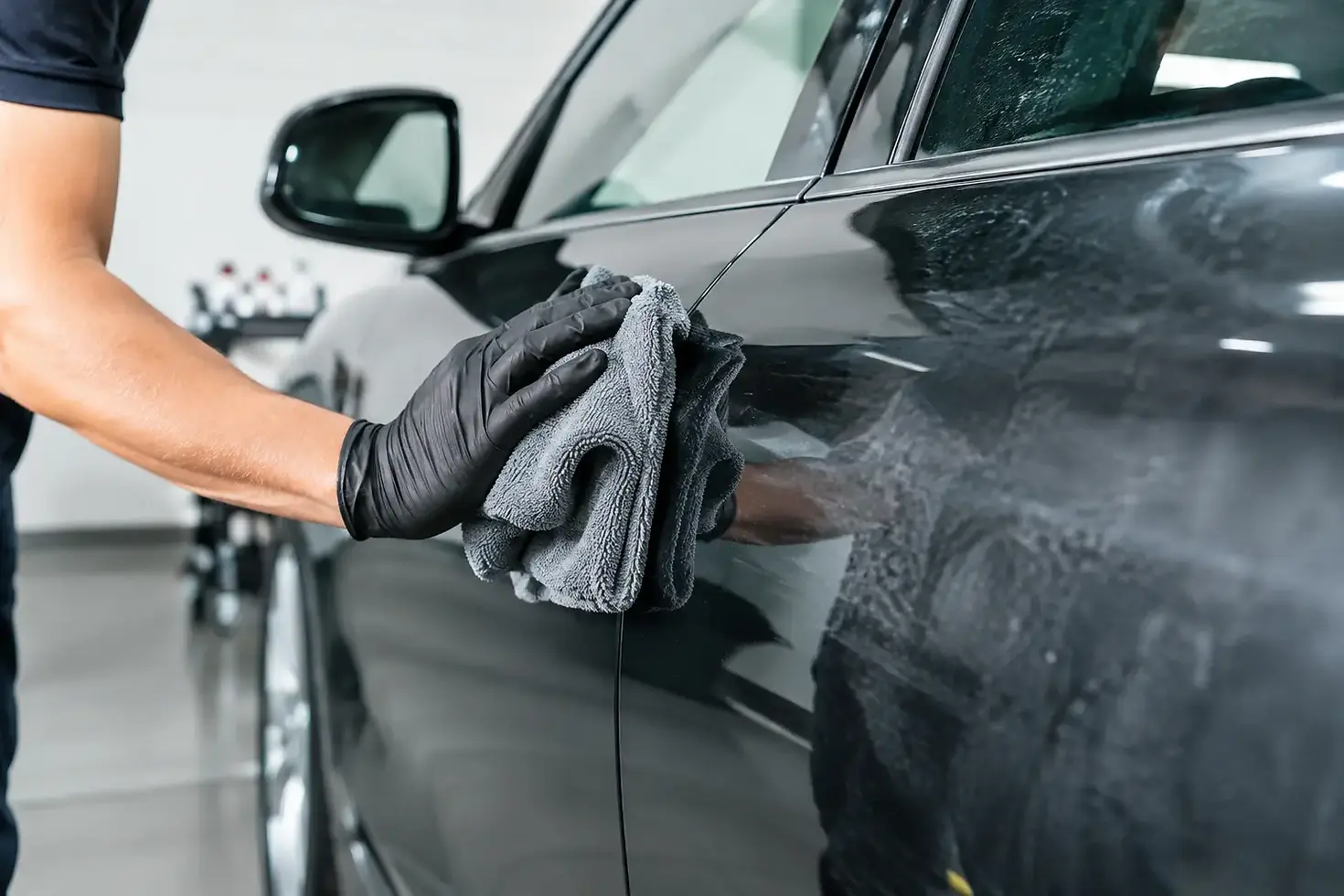
Can Detailing Remove Smoke Residue From Cars?

A cigarette, cigar, wildfire, or electrical smoke event can leave more behind than an unpleasant smell. Smoke settles into the cabin as an oily film, fine ash, and staining that clings to glass, plastic, upholstery, headliners, and air vents. So, can detailing remove smoke residue? In many cases, yes - but the quality of the result depends on how long the residue has been present, how heavy the exposure was, and which materials were affected.
A proper smoke-remediation detail is not a quick fragrance spray or a basic vacuum. It is a careful interior restoration process designed to remove contamination from the surfaces you see and the areas that keep feeding odor back into the cabin.
Can Detailing Remove Smoke Residue Completely?
Professional detailing can remove or significantly reduce smoke residue from most vehicle interiors. Technicians can clean the greasy film from interior panels and glass, extract contamination from carpets and seats, treat leather and vinyl safely, and address odor trapped in fabrics. The goal is to refresh the cabin at the source rather than cover the smell with an air freshener.
Complete removal is more likely when the smoke exposure was recent and limited. A vehicle used for frequent smoking over several years can require deeper treatment, especially when residue has settled into the headliner, foam beneath the seats, HVAC system, and cabin air filter. Severe fire damage is a different situation. If smoke came from a vehicle fire, melted materials, or a major electrical issue, detailing may improve the interior but should follow repairs and a safety inspection.
The right expectation is a cleaner, healthier-feeling cabin with a major improvement in odor and appearance. In heavily contaminated vehicles, more than one treatment may be needed to reach the desired result.
What Smoke Residue Does to Your Interior
Smoke residue is easy to underestimate because much of it is nearly invisible. On hard surfaces, it often creates a dull, sticky layer that attracts dust and leaves a haze on the inside of the windshield. This is why freshly cleaned glass can look cloudy again soon after a smoker gets back in the vehicle.
On fabrics, smoke particles settle below the visible surface. Cloth seats, carpeting, floor mats, and trunk liners can hold odor long after the cabin has been vacuumed. The headliner is especially challenging because it is thin, absorbent, and attached with adhesive. Aggressive scrubbing can loosen or damage it, so it needs controlled cleaning rather than brute force.
Leather, plastic, and vinyl may also lose their clean finish when residue builds up. A quality detail restores a more natural look by lifting contamination without leaving greasy dressings behind. That matters for both comfort and resale value. Buyers notice smoke odor quickly, and a clean-looking cabin will not overcome a smell that returns when the doors are closed.
The Professional Process for Removing Smoke Residue
Effective smoke-residue removal starts with inspection. A detailer should identify where the residue is concentrated, what materials are involved, and whether the odor seems isolated to the cabin or is coming through the ventilation system. This helps determine whether a standard interior detail is enough or whether the vehicle needs a more focused smoke-remediation service.
Cleaning hard surfaces and interior glass
The dashboard, console, door panels, steering wheel, cup holders, trim, and interior glass need more than a fast wipe-down. Professional-grade cleaners and appropriate brushes or microfiber towels lift the film from textured surfaces, tight seams, and touch points. Interior glass is cleaned carefully to remove haze without streaks, restoring clearer visibility at night and in wet weather.
This step also matters because smoke residue transfers easily. If a steering wheel, shifter, or door handle still feels tacky after cleaning, contamination remains on the surface.
Deep-cleaning fabric, carpet, and upholstery
Vacuuming removes loose ash and debris, but it does not remove the odor-causing particles embedded in fabric. Depending on the material and condition, a detailer may use steam, fabric-safe cleaners, extraction, or a combination of methods to pull contamination from the fibers.
The method matters. Over-wetting seats or carpet can create long drying times and may introduce a mildew odor. Controlled extraction and proper drying are part of a professional result, particularly in a daily-driven vehicle that needs to get back on the road quickly.
Treating leather, vinyl, and delicate headliners
Leather and vinyl require a different approach than cloth. They need cleaners that remove residue without drying the material or leaving it slippery. After cleaning, an appropriate protectant can help maintain the finish and make future wipe-downs easier.
Headliners call for even more restraint. The goal is to clean smoke film from the surface with minimal moisture and agitation. A detailer who saturates the headliner can damage the adhesive and cause sagging, turning an odor issue into a costly repair.
Addressing the HVAC system and cabin filter
If the odor gets stronger when the heat or air conditioning turns on, the ventilation system deserves attention. Smoke can collect around vents and in the cabin air filter, then circulate back into the interior each time the fan runs.
Cleaning accessible vents and replacing a contaminated cabin air filter can make a noticeable difference. In more severe cases, HVAC odor treatment may be recommended. This is one reason an air freshener alone rarely solves a smoke problem - it cannot clean the path the air travels through.
Odor Treatment Helps, but It Is Not the First Step
Odor-neutralizing treatments can be useful after the cabin has been thoroughly cleaned. They are designed to address remaining odor molecules rather than simply add a stronger scent. However, they work best after the physical residue has been removed from surfaces, fabrics, and filters.
Be cautious with services that promise to erase any smoke odor in minutes. A quick treatment may make a vehicle smell better initially, but the odor can return once the added fragrance fades. A lasting result comes from cleaning first, then using odor treatment as the finishing step.
When Smoke Residue May Not Fully Come Out
Some vehicles have years of repeated smoke exposure, and certain materials hold contamination more stubbornly than others. Burn marks, yellowed fabric, damaged foam, brittle trim, and deeply stained headliners may not return to a like-new condition through cleaning alone.
There are also cases where replacement is more practical. A severely contaminated cabin filter should be replaced, not sprayed. Heavily damaged floor mats, seat foam, or a sagging headliner may need repair or replacement after detailing. A trustworthy detailer will explain that distinction clearly instead of promising a perfect result that the vehicle's condition cannot support.
How to Keep Smoke Residue From Returning
Once the interior is restored, the best protection is preventing new smoke from settling into the cabin. Avoid smoking inside the vehicle whenever possible, clean spills and ash promptly, and keep up with routine interior detailing. Replacing the cabin air filter on schedule also helps maintain fresher airflow.
For North Jersey drivers balancing work, family, and long commutes, mobile service can make that maintenance easier. LuxDetail can assess smoke residue and provide professional interior care at its Linden location or at a convenient on-site appointment.
A vehicle should feel clean the moment you open the door, not like it is hiding yesterday's smoke under a stronger scent. When residue is treated with the right process, your cabin can look sharper, smell fresher, and feel far more comfortable every time you drive.


Comments